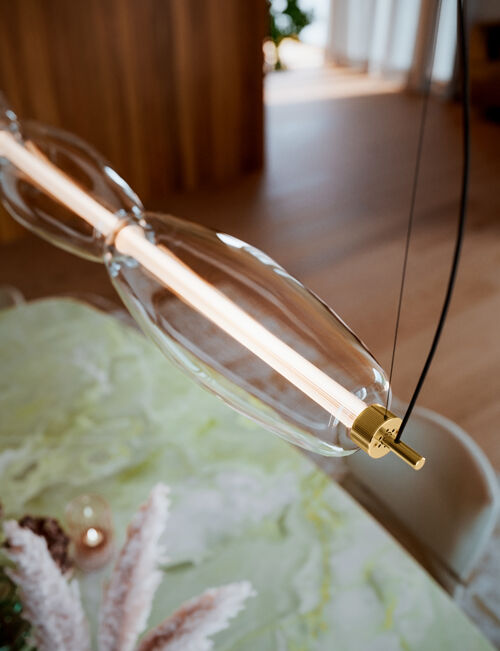
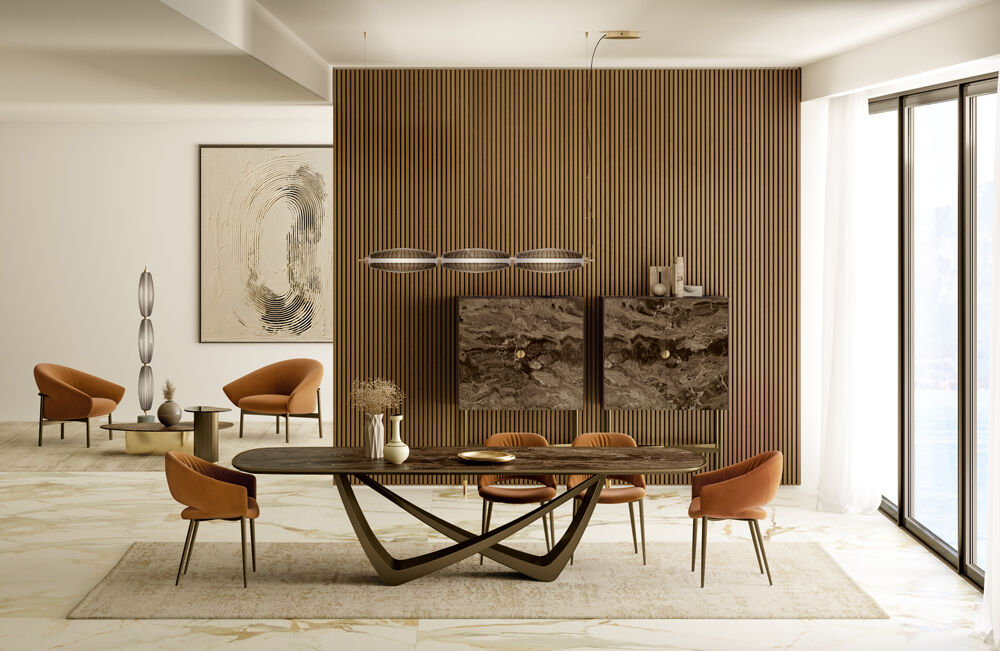
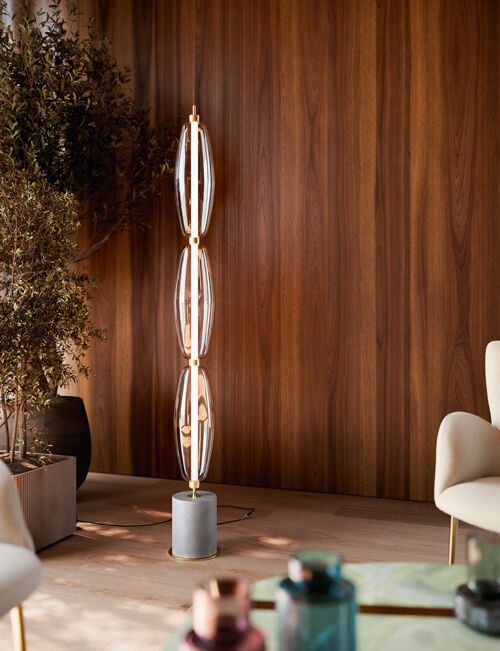
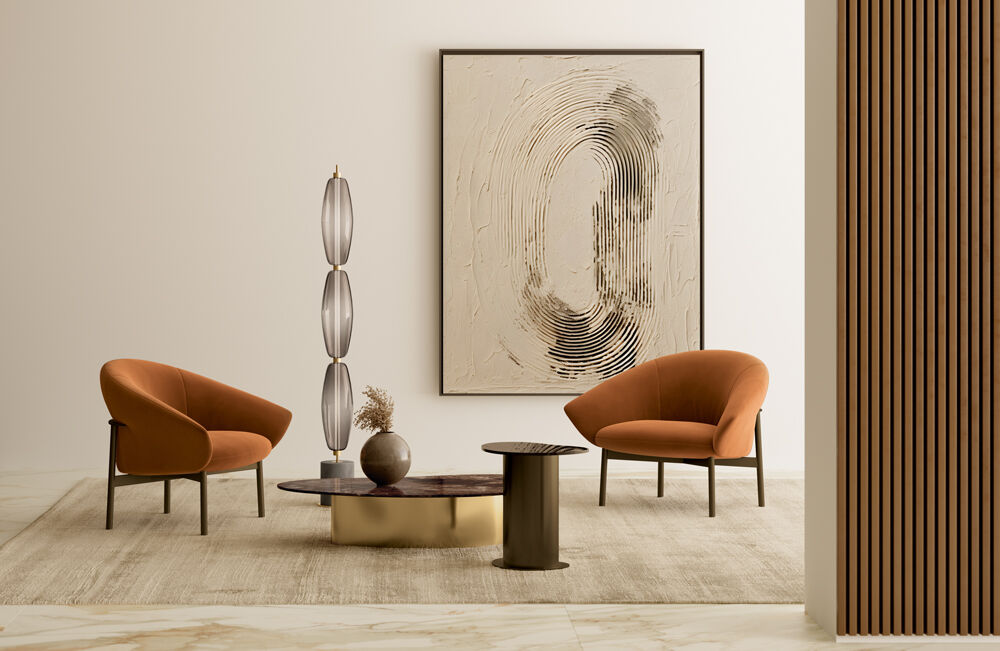
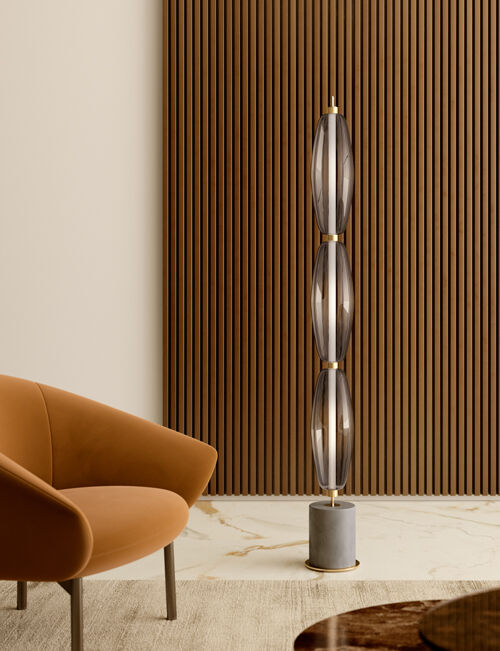
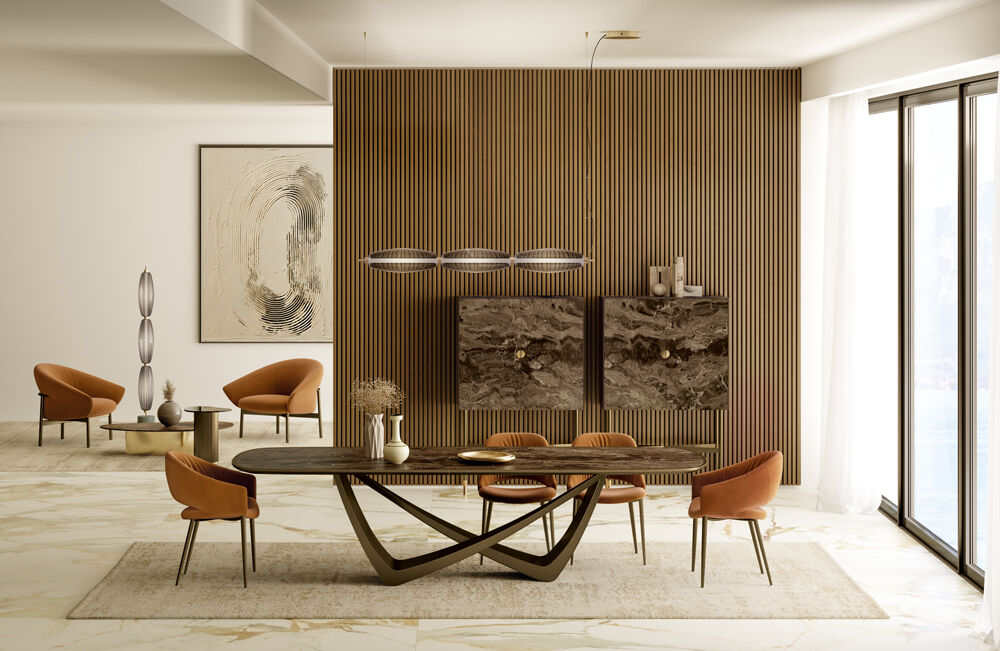
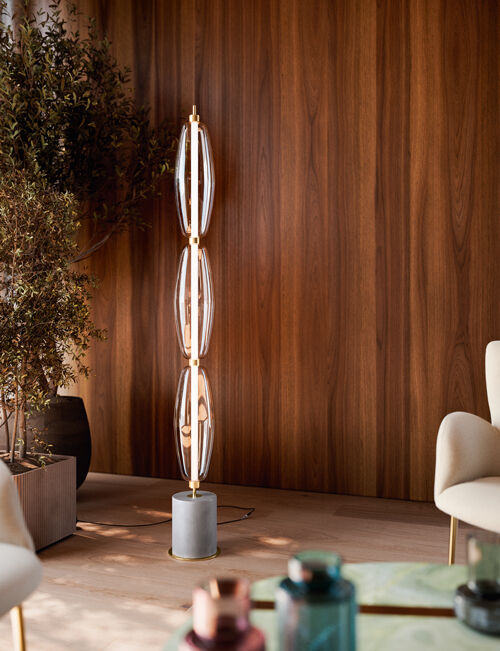
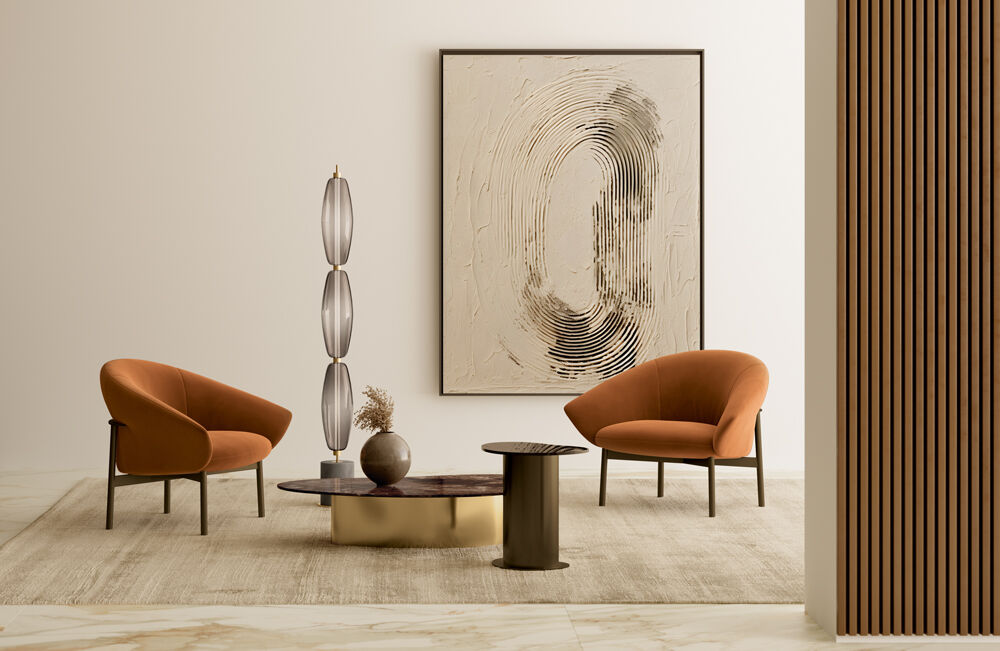
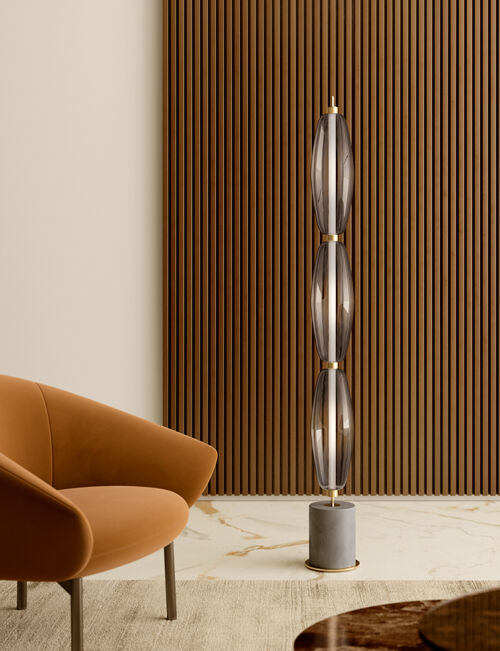
Luxia is conceived as an essential luminous gesture capable of transforming light into decoration. The design explores the relationship between transparency, rhythm, and material, translating the light source into a composition of volumes that combine visual lightness with sculptural presence. The lamp can be configured in three versions: floor lamp, three-element suspension lamp, or single-element suspension lamp, adapting to different contexts. In the three-element version, the structure develops through a sequence of rhomboid volumes in shaded glass. Small metal cylinders are inserted between the luminous bodies, marking the rhythm of the structure and emphasizing the balance between solids and voids. The tapered forms wrap the light source and modulate its emission, diffusing a soft and enveloping light.
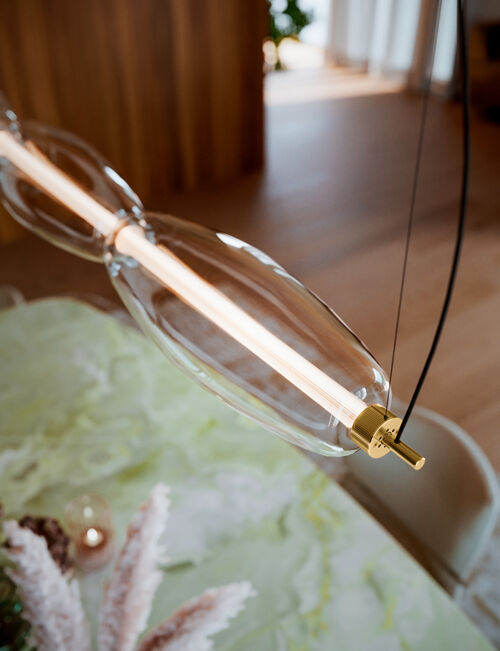


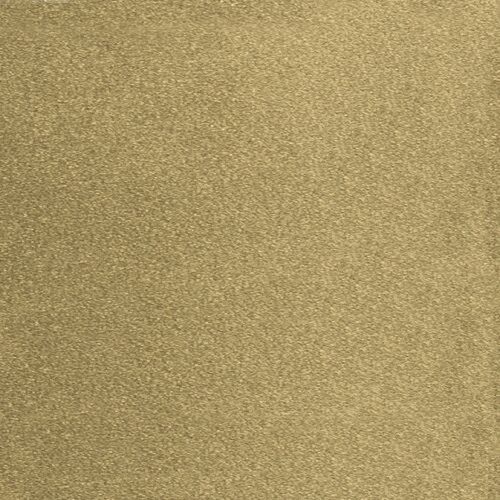 M325 Gold
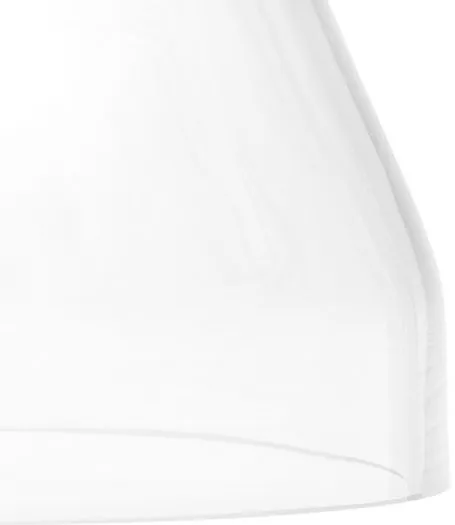 V001 Transparent
 V009 Shaded smoke grey